If you are planning a Uganda safari for Americans, the main question is simple: is Uganda worth the time, cost and long flight from the United States? In our view as a Ugandan operator, yes — if you want one trip that combines gorilla trekking, chimpanzees, classic savannah wildlife and time in places where tourism still feels closely connected to the landscape and local communities rather than heavily built around mass tourism.
This is not the closest safari destination for US-based travellers, and the journey takes planning. But Uganda rewards the effort. You can track mountain gorillas in Bwindi Impenetrable National Park, look for chimpanzees in forest, add game drives and boat trips, and still keep the trip within one country. If you are comparing Uganda with Rwanda, use our full Uganda vs Rwanda gorilla trekking comparison rather than forcing both countries into one itinerary by default.
Why Uganda is worth the long journey from the US
Uganda works well for American travellers because it gives you range. You are not flying this far for one morning activity and then leaving. In one trip, you can combine rainforest trekking, savannah wildlife, river landscapes and community visits without crossing multiple borders.
The practical value is also strong. Uganda remains one of the few places where you can build a proper primate-and-wildlife itinerary without the price escalating as quickly as it often does elsewhere. You still need to budget properly, especially for permits and domestic logistics. The appeal is the variety: forest trekking, savannah wildlife and river or boat experiences can all fit into the same Uganda itinerary.
What makes Uganda different from a conventional African safari
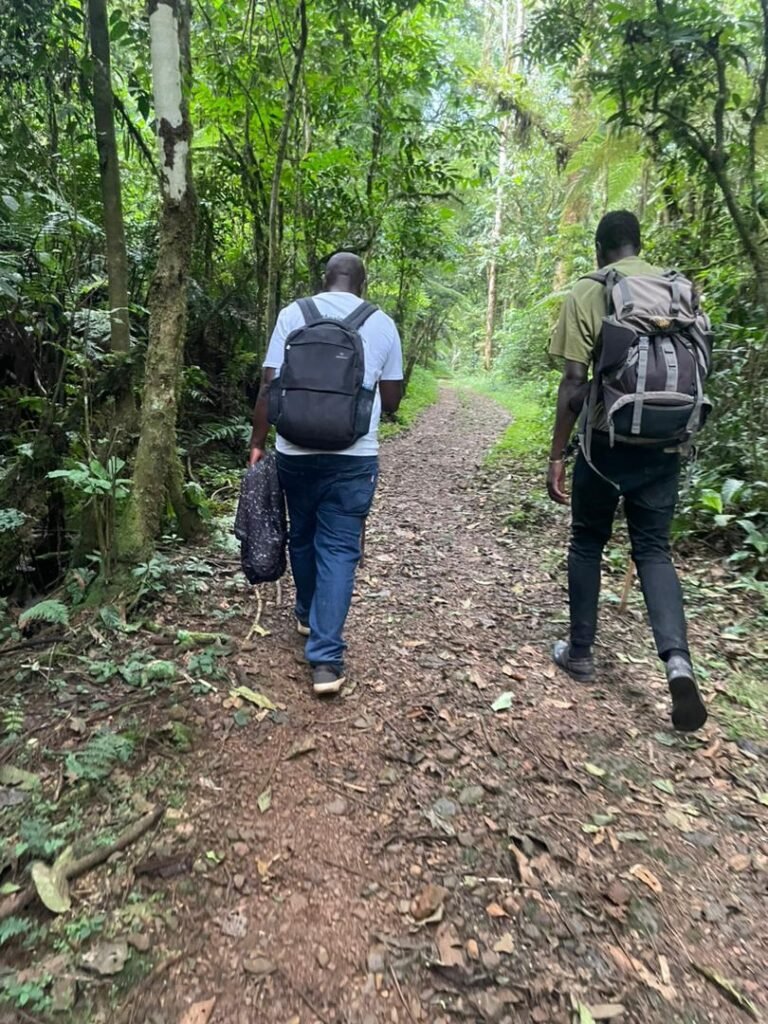
A conventional safari often means long game drives, open plains and lodge-to-lodge movement. Uganda can include that, but it is better understood as a mixed safari country. You move between forest and savannah. One day you are in a vehicle looking for lions or elephants; the next you are hiking through steep, wet ground with a walking stick in hand.
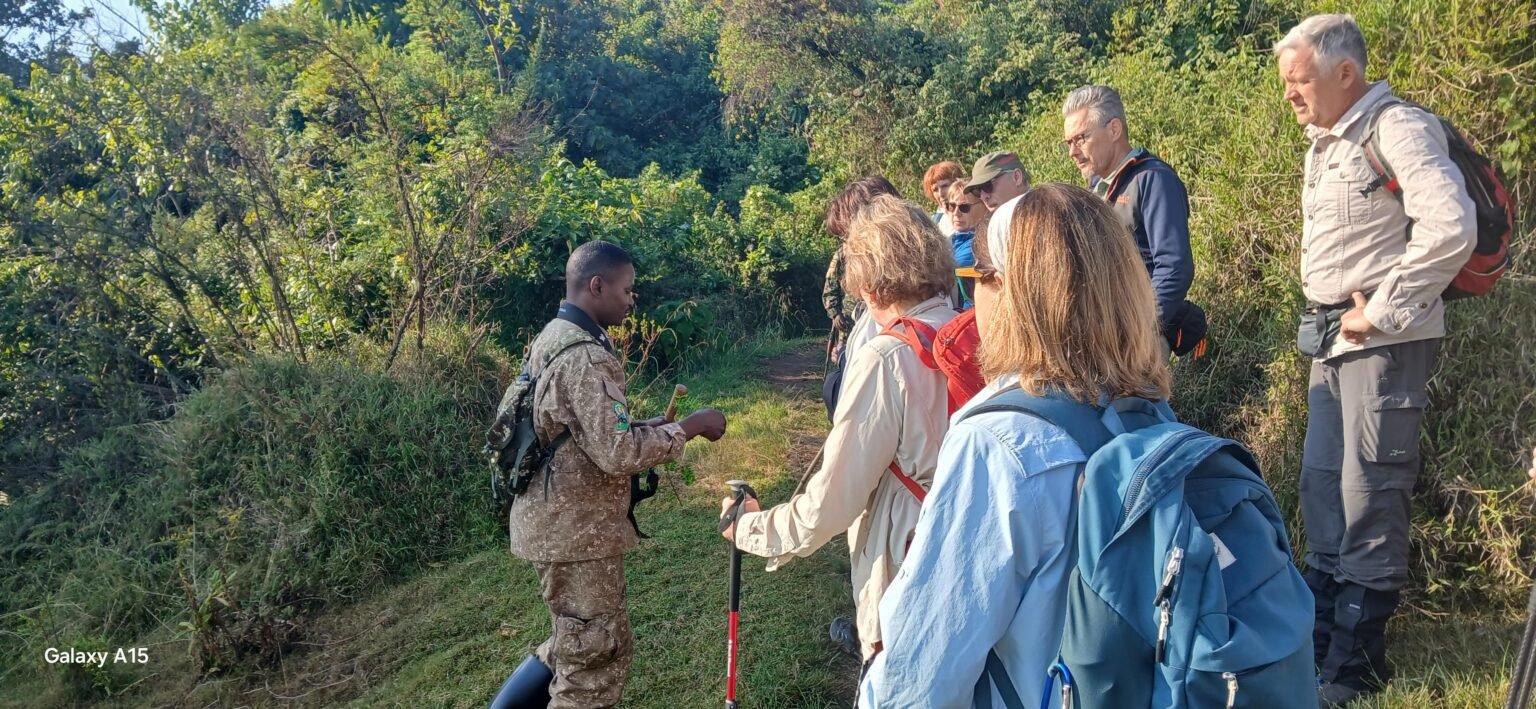
That mix is what many US travellers like once they understand it clearly. Uganda gives you wildlife viewing, but it also asks more of you physically and logistically. Trekking in the rain means mud in your boots. The morning briefing in southern Bwindi is cold enough that most guests want a fleece. Some road days are long. In return, you get a trip that feels more varied and less standardised.
Uganda is also a strong destination if you want some contact with Ugandan culture alongside wildlife. A Batwa or community visit works best when it is built into the route naturally rather than added as filler.
Gorilla trekking in Bwindi
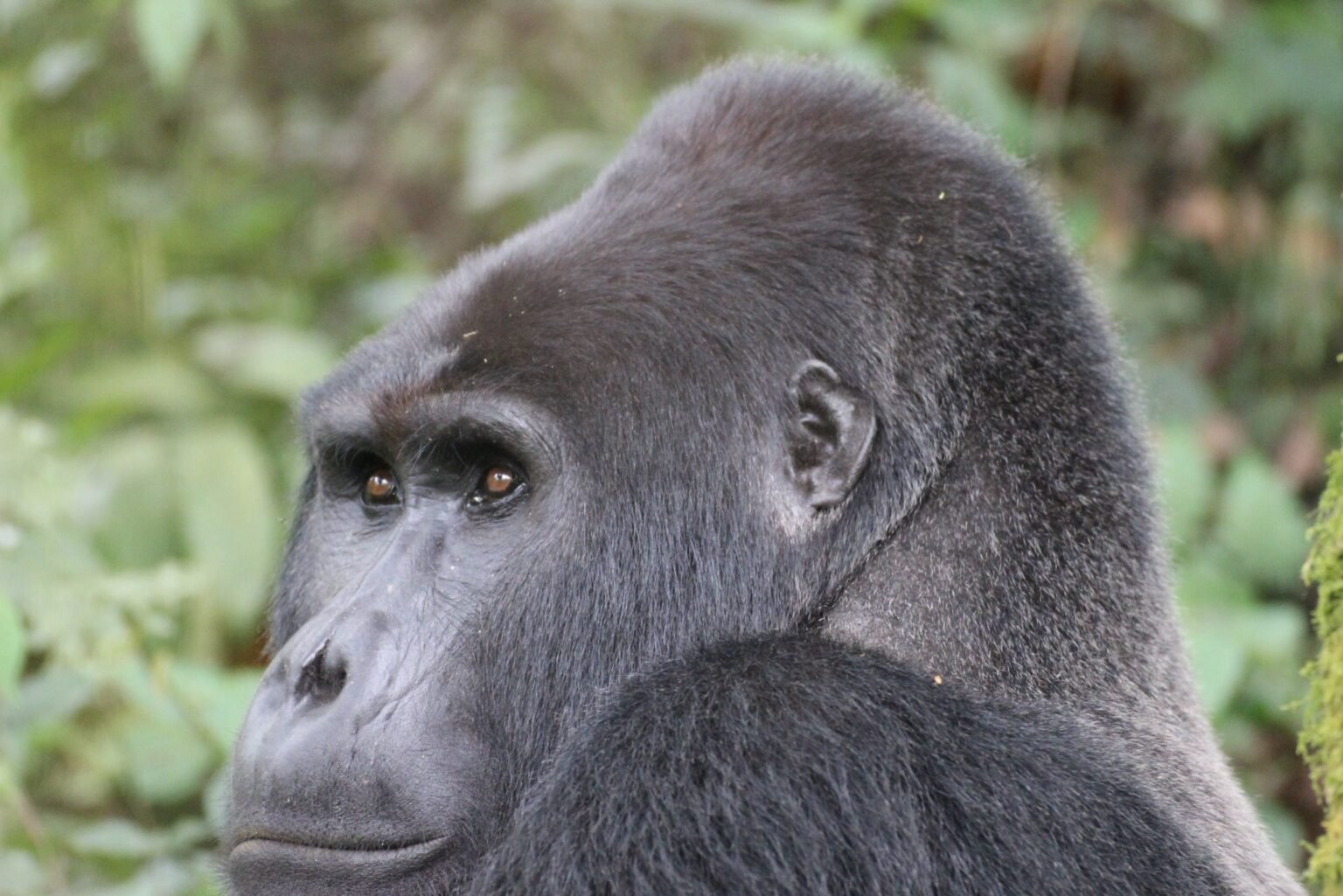
For most Americans considering Uganda, gorilla trekking is the reason the country first gets onto the shortlist. Uganda’s main gorilla trekking destination is Bwindi Impenetrable National Park, and where you stay depends on which permit you secure. Before confirming your accommodation, check permit availability for your preferred date and trekking sector. Your permit, lodge and transport plan should then be coordinated around the same part of Bwindi. The full rules and booking process are covered in our gorilla trekking guide and our practical guide on where to stay in Bwindi.
If you want to add another forest experience, the Nkuringo to Buhoma walk can be a good fit between sectors, depending on your direction of travel and overall route.
Gorillas are not the whole safari: Queen Elizabeth, Kibale or Kalinzu, and Murchison Falls
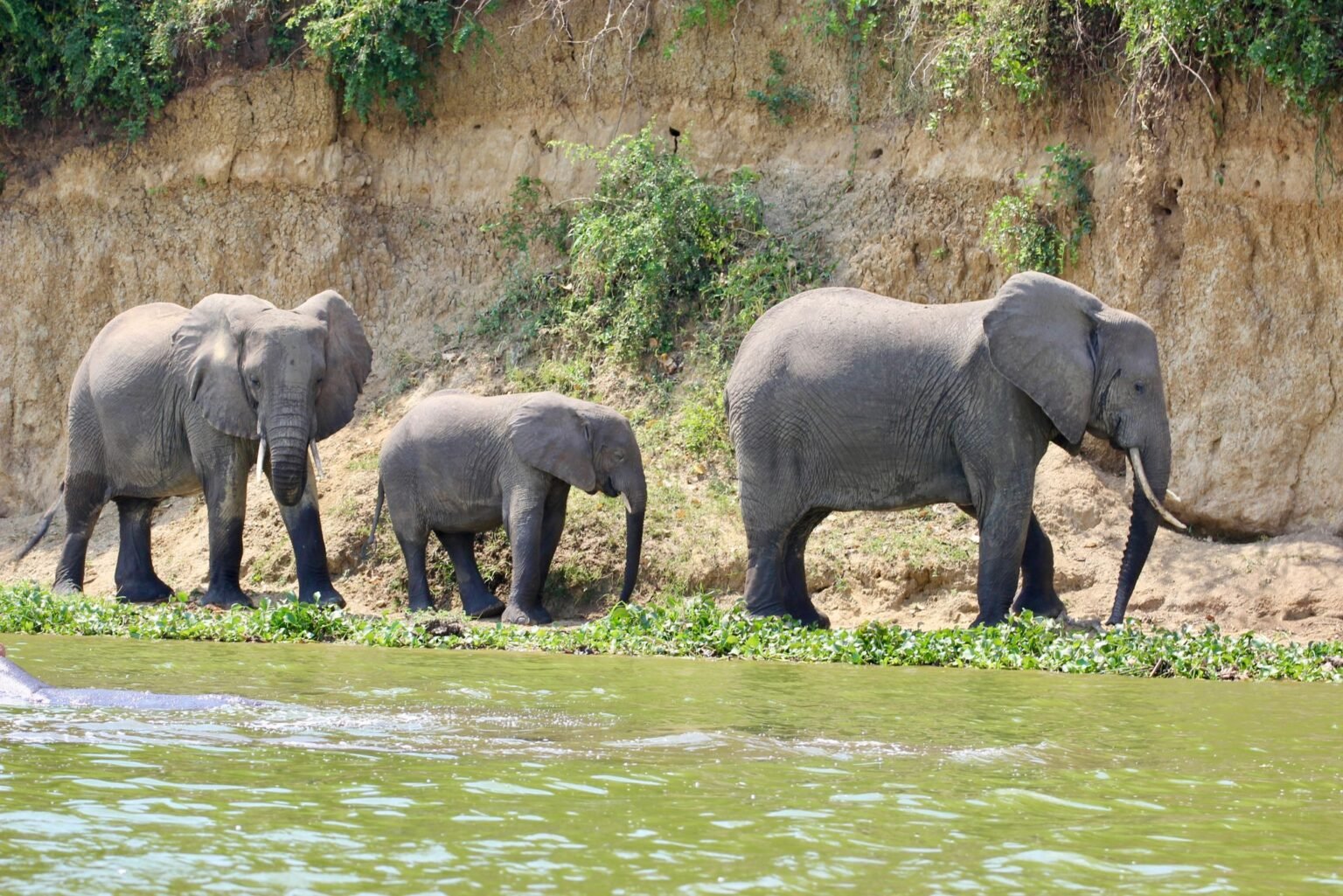
A stronger Uganda itinerary does not stop with gorillas. If you have flown from the US, it usually makes sense to add at least one other park.
Queen Elizabeth National Park fits naturally on western Uganda routes and works well after or before Bwindi. It adds game drives, the Kazinga Channel and a broader safari rhythm.
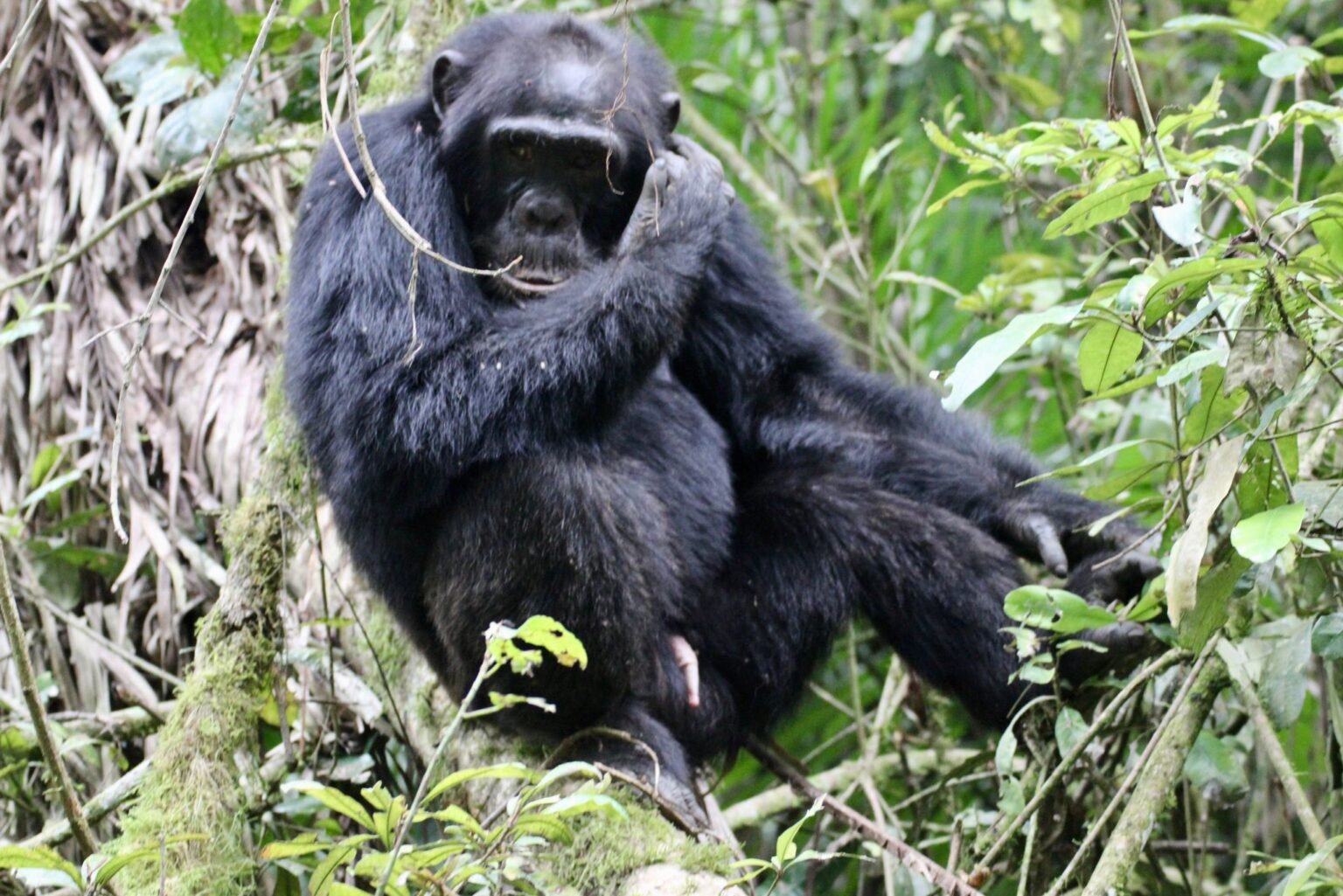
Kibale National Park is the best-known chimpanzee stop and suits travellers who want primates to remain the backbone of the trip. On some western circuits, Kalinzu Forest Reserve works as a more route-efficient chimpanzee alternative.
Murchison Falls National Park is better for travellers who want a more classic wildlife section with giraffe, boat time on the Nile and a stronger northern Uganda contrast.
Should you fly into Entebbe or Kigali?
If your trip is focused on southern Bwindi, Kigali is often the shorter ground transfer. We usually describe Kigali to Bwindi as 4–5 hours, depending on the border process, road conditions and your final lodge location. If your trip includes a broader Uganda circuit such as Kibale, Queen Elizabeth or Murchison Falls, Entebbe usually makes more sense.
Rather than repeat the full breakdown here, read our detailed guide to Kigali vs Entebbe for gorilla trekking.
How many days should an American traveller allow?
For most US-based travellers, the right answer is not the shortest possible trip. You are covering a long distance to get here, and Uganda works better when the itinerary has enough room for transfers, one major primate activity and at least one additional park or experience.
As a rule of thumb, six days is the minimum for a focused gorilla trip. Eight days gives you a more balanced Uganda route. Ten to twelve days is where the country starts to feel properly joined up rather than compressed. If you want a deeper breakdown, see our full guide on how many days for a Uganda safari.
If you are staying in Bwindi for trekking, we usually advise at least two nights for a single trek and three nights if you want a more complete stay with local walks or a cross-Bwindi route.
How permits, accommodation and transfers fit together
Uganda’s standard gorilla permit for a foreign non-resident is US$800. Permits are issued for specific trekking locations, so the permit, accommodation and transport plan should be coordinated before the trip is finalised. Rates are subject to change.
For the broader trekking rules and booking process, use our full gorilla trekking guide and gorilla trekking hub.
Planning and paying for your safari from the US
For many American travellers, the practical planning questions matter as much as the itinerary itself. Flights, entry requirements and other travel logistics are covered in our guide to travelling from the USA to Uganda. Orugano Safaris operates with a US Wyoming LLC. We also provide a US telephone number for travellers who prefer to make enquiries through a US number.
For US-based clients, payment can be made by ACH or wire transfer to our US business banking account. Our safe safari booking guide explains how payments and confirmations work.
On the Uganda side, we handle airport pickup, road or air transfers, permit coordination, lodge scheduling and arrival logistics. If flights change or road timings need adjusting, those changes are managed on the ground by the same local team that runs the safari.
We respond directly to custom safari enquiries and provide booked guests with an emergency contact while travelling.
Why Orugano’s local presence matters
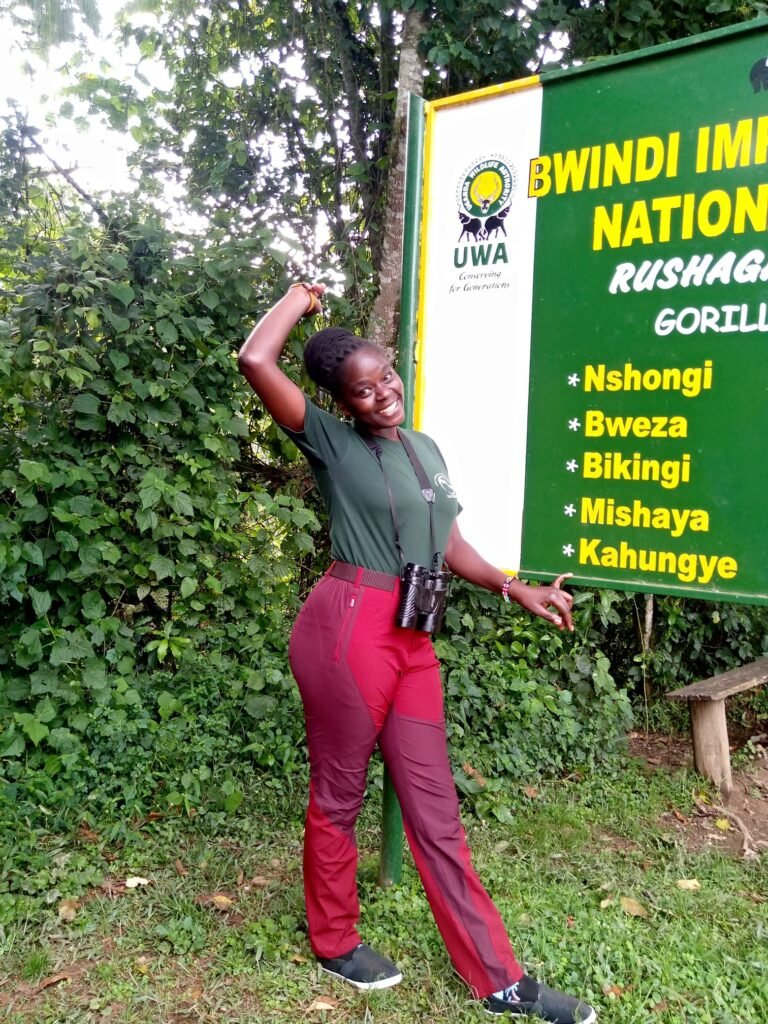
Local presence matters in Uganda because the trip depends on joined-up logistics. Permit dates, road times, briefing points, park entry timing and lodge location all affect each other.
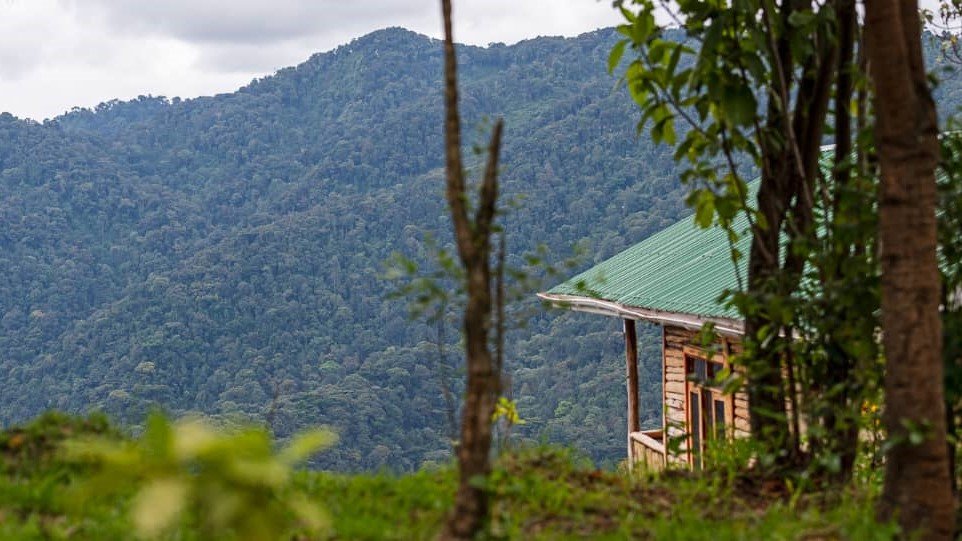
One example is Orugano Bwindi Lodge. It is a boutique lodge in the Nkuringo sector of southern Bwindi, around a 10–15-minute walk from the Nkuringo gorilla trekking briefing point. It is best recommended for travellers trekking from Nkuringo, not as a blanket base for all Bwindi sectors. The lodge has 14 private cottages, forest and Virunga views, full board, packed trekking lunches, boot and shoe cleaning, hot-water bottles, laundry, guided local walks and road access to Rushaga when an itinerary requires it.
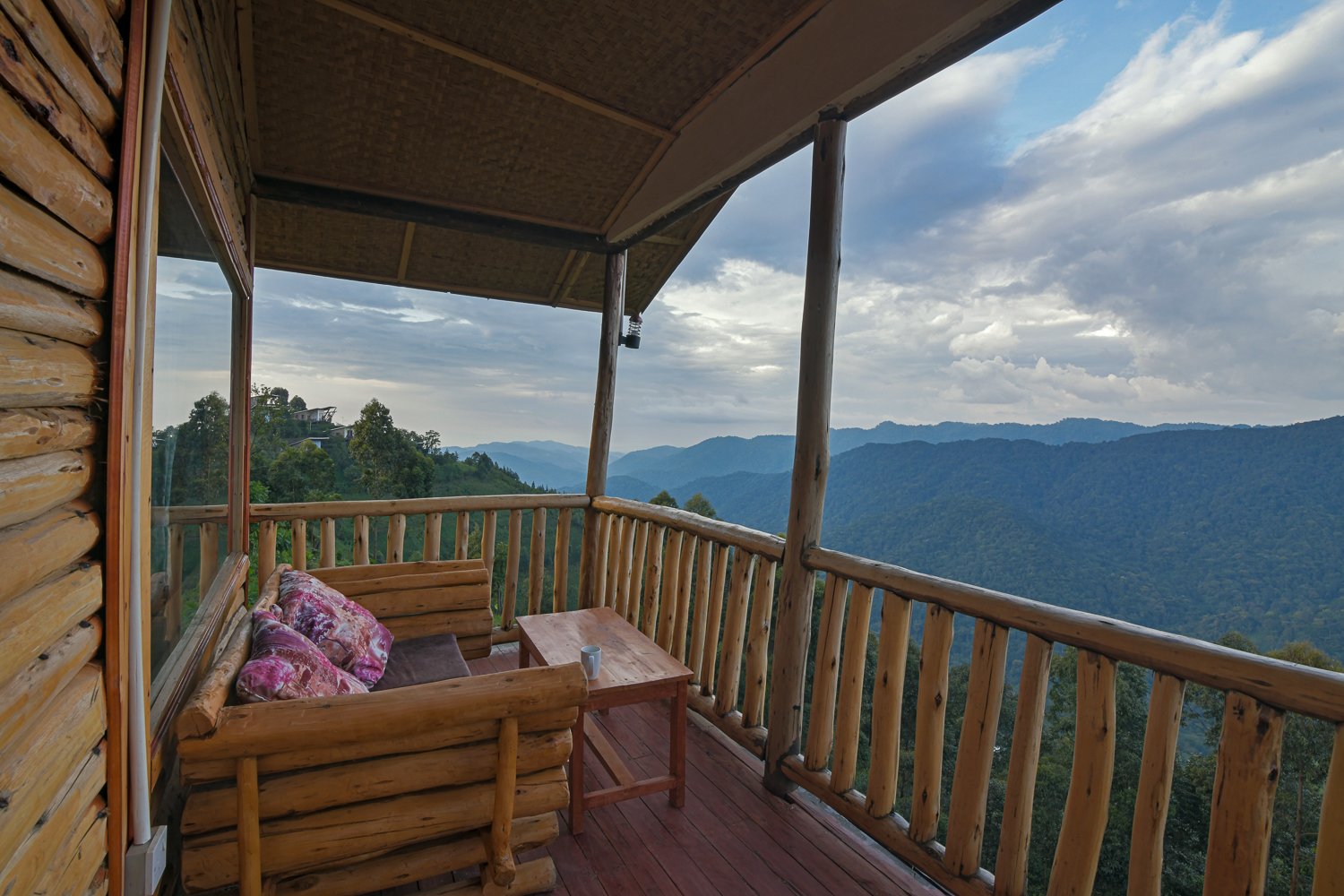
Orugano Safaris and Orugano Bwindi Lodge are under common ownership, which allows us to coordinate accommodation, permits, transfers and trekking logistics directly.
The lodge was developed on former eucalyptus land, with local artisans involved in its construction and some of the removed eucalyptus reused as timber, while indigenous vegetation was encouraged to regenerate around the property.
Sample ways to structure a 7-, 8- or 10–12-day trip
A few simple frameworks work well for US travellers:
- 7 days: A compact Uganda circuit combining Bwindi gorilla trekking with Lake Mburo and Queen Elizabeth National Park. It works for travellers who want gorillas plus a taste of Uganda’s savannah wildlife without extending the trip to Kibale or Murchison Falls. See our 7-day Uganda safari.
- 8 days: Enough time for a more complete western Uganda circuit combining gorillas with additional primate and wildlife experiences. Our 8-day Uganda safari from Kigali combines Bwindi, golden monkeys, Queen Elizabeth and Kalinzu chimpanzee tracking without extending as far north as Kibale.
- 10–12 days: gorillas, chimpanzees and at least one major savannah park, often with a more comfortable pace between stops. Use this 12-day ultimate Uganda wildlife, primate and nature safari as a starting point.
If none of those structures fits your dates, our Uganda safaris hub and custom Uganda safaris page are the best next steps.
Planning Your Uganda Safari From the US
If you are weighing up a Uganda safari from the US and want practical advice rather than generic sales talk, send us your dates, preferred arrival airport and rough trip length. We will advise on permit availability, the most practical route and whether Entebbe or Kigali fits your plans better.
Useful starting points: